Introduction
Selling personal gold ornaments or gold coins should be a straight-forward financial transaction, yet many sellers leave significant money on the table due to simple oversights. Whether you are liquidating gold for urgent cash or upgrading old family heirlooms, knowing what not to do is just as crucial as knowing today’s market rate.
Here are five common pitfalls to watch out for before handing over your precious metal.
1. Selling Without Checking Today’s Live Gold Rate
Gold pricing fluctuates continuously based on global economic indicators and currency strength. Relying on outdated prices or accepting a buyer’s flat quote without checking the current benchmark rate is a quick way to get underpaid.
- Smart Tip
Check live online 24K gold rates per gram on reputable financial news outlets or gold index websites before stepping into any store.
2. Allowing Buyers to Melt or Damage Your Jewellery Before Valuation
Some traditional buyers or local pawn shops insist on melting ornaments or scraping off surfaces to test purity. If you decide not to accept their final offer after they’ve damaged your piece, your jewellery’s aesthetic value is permanently lost.
- Smart Tip
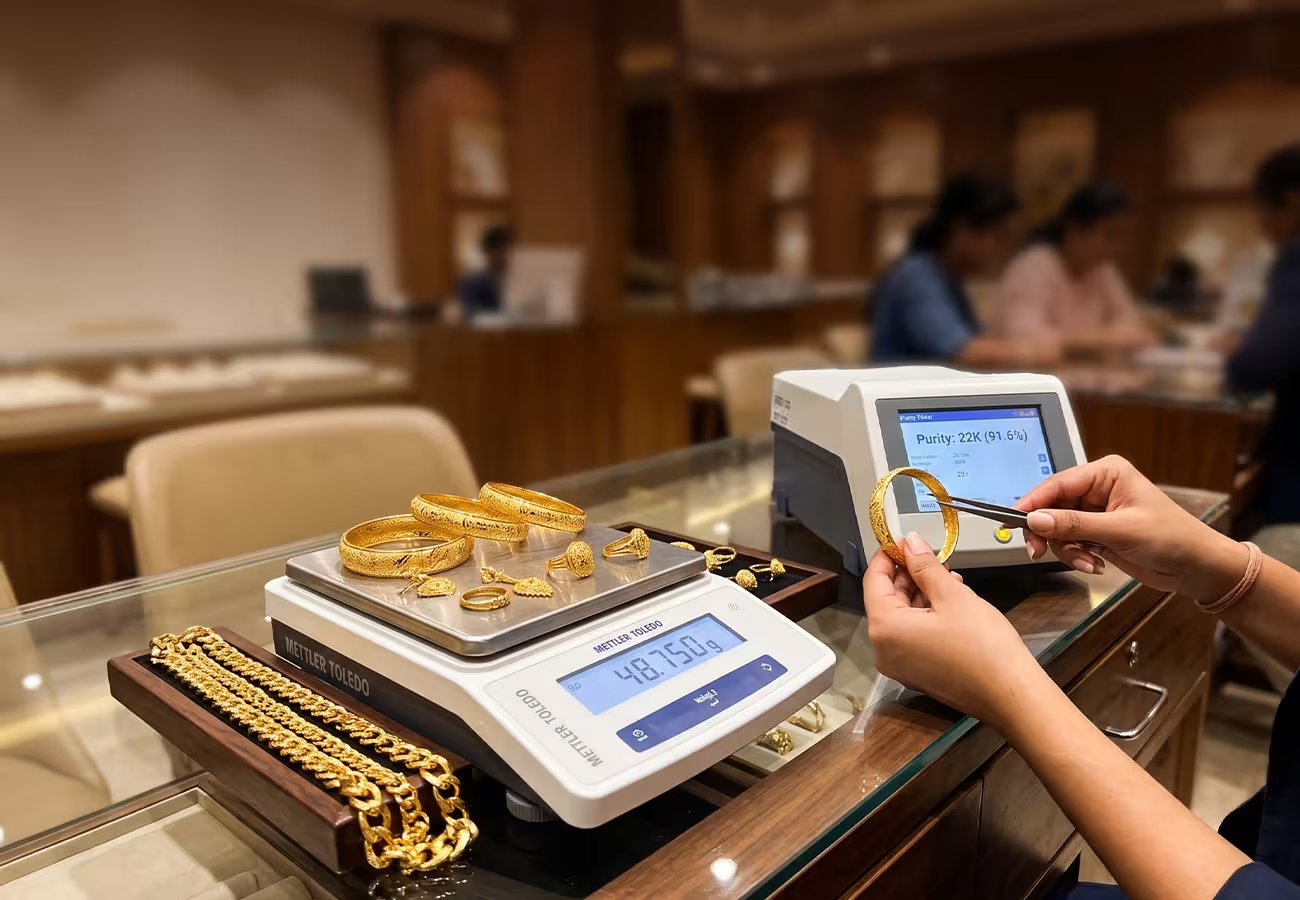
Always demand non-destructive testing using German XRF (X-ray fluorescence) analyzers, which test metal purity accurately in under 30 seconds without damaging your item.
3. Paying for Stone & Filler Weight
Jewellery often features gemstones, pearls, or sealing wax inside hollow bangles. Dishonest valuation methods weigh the whole item together and apply a blanket deduction, which can artificially lower the weight of your actual gold content.
- Smart Tip
Insist that stones and non-gold embellishments are subtracted individually, or removed gently with your consent, so you are only evaluated on the net weight of pure gold.
4. Overlooking Hallmarks & Documentation
If your gold carries a official hallmark stamp (such as the BIS Hallmark in India), it serves as certified proof of purity. Selling hallmarked gold without pointing this out—or failing to bring your original purchase bill—can give unfair buyers room to dispute the karatage.
- Smart Tip
Inspect your jewellery under a magnifying glass for hallmark engravings (e.g., 916 for 22K, 750 for 18K) and carry matching purchase receipts if you have them.
5. Choosing Buyers Who Offer Only Cash Without Detailed Invoices
While cash payouts are convenient for small sales, reputable buyers operate with complete legal transparency. Accepting payments without an official receipt leaves you vulnerable to untraceable deductions and potential tax or compliance issues later.
- Smart Tip
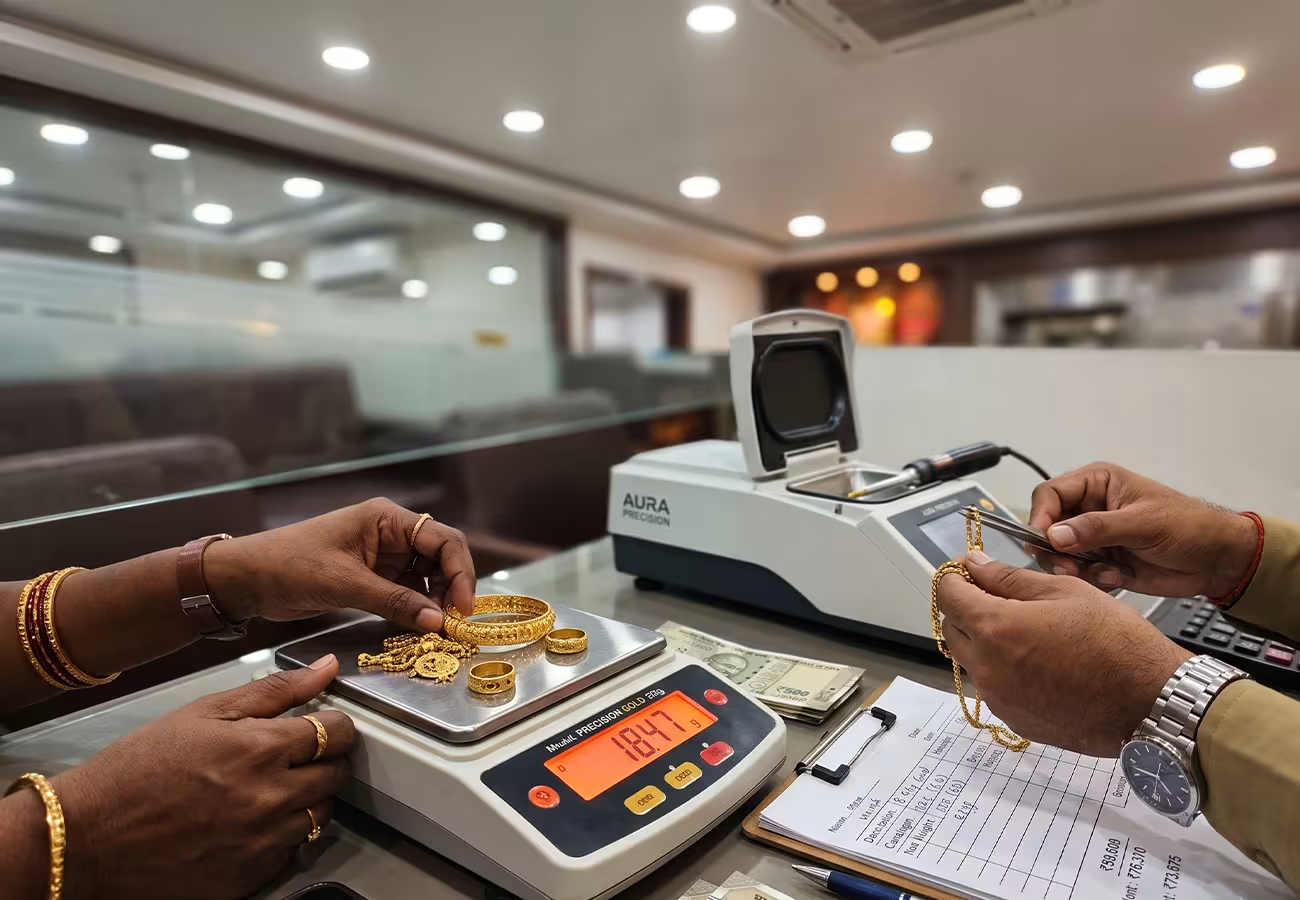
Choose licensed buyers who offer instant bank transfers (NEFT/IMPS) or formal cash vouchers along with a detailed invoice breaking down gross weight, net weight, tested purity, and rate per gram.
Conclusion
Selling your gold safely comes down to preparation and transparency. By staying informed about live rates, choosing non-destructive testing, and insisting on clear paperwork, you guarantee that you walk away with every rupee your gold is worth.